

Location
Timeline
2023 - 2025
Category
Agribusiness
Key theme(s)
Agricultural profitability, Job security, Food security, Socio-economic resilience
Partners
Funding
BMZ


“We gained a sense of confidence. We started believing that the Lebanese farmer can truly thrive in this country.”
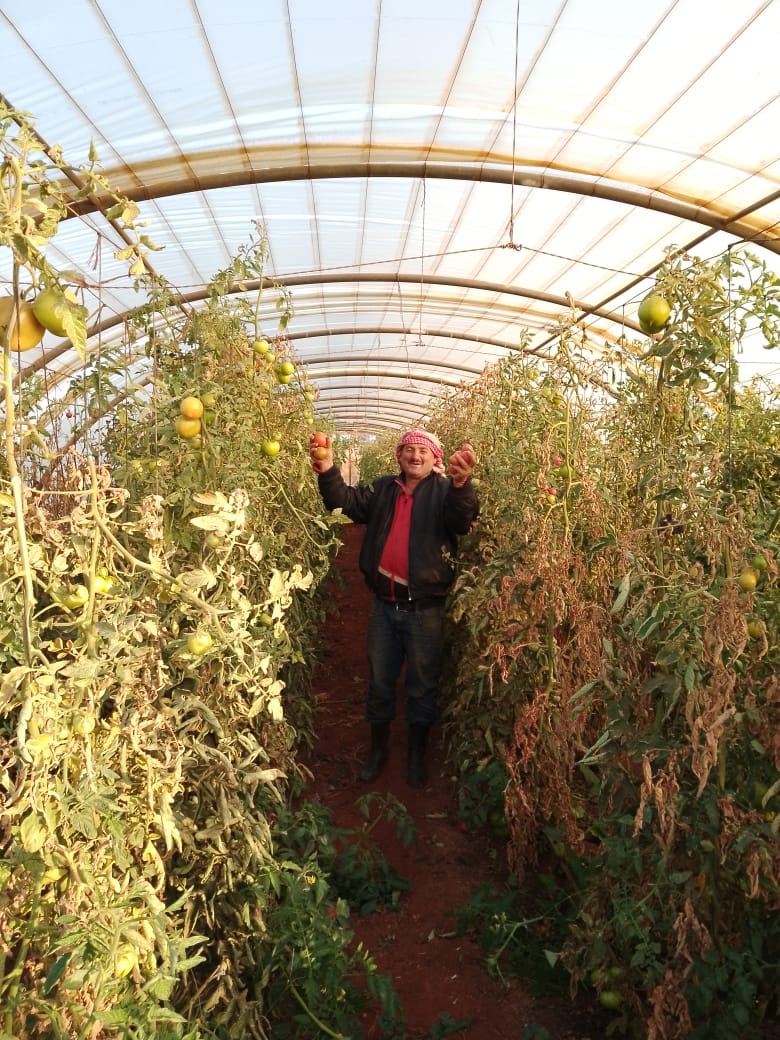
Adaptation and resilience through partnerships in Lebanon
Through iCRA’s Agribusiness Cluster training and coaching services, together with GIZ and Dorsch Impact, we support farmer groups and SMEs in Bekaa, West Bekaa, Chouf and Aley to build trust-based partnerships that strengthen both resilience and market opportunities.
What we do
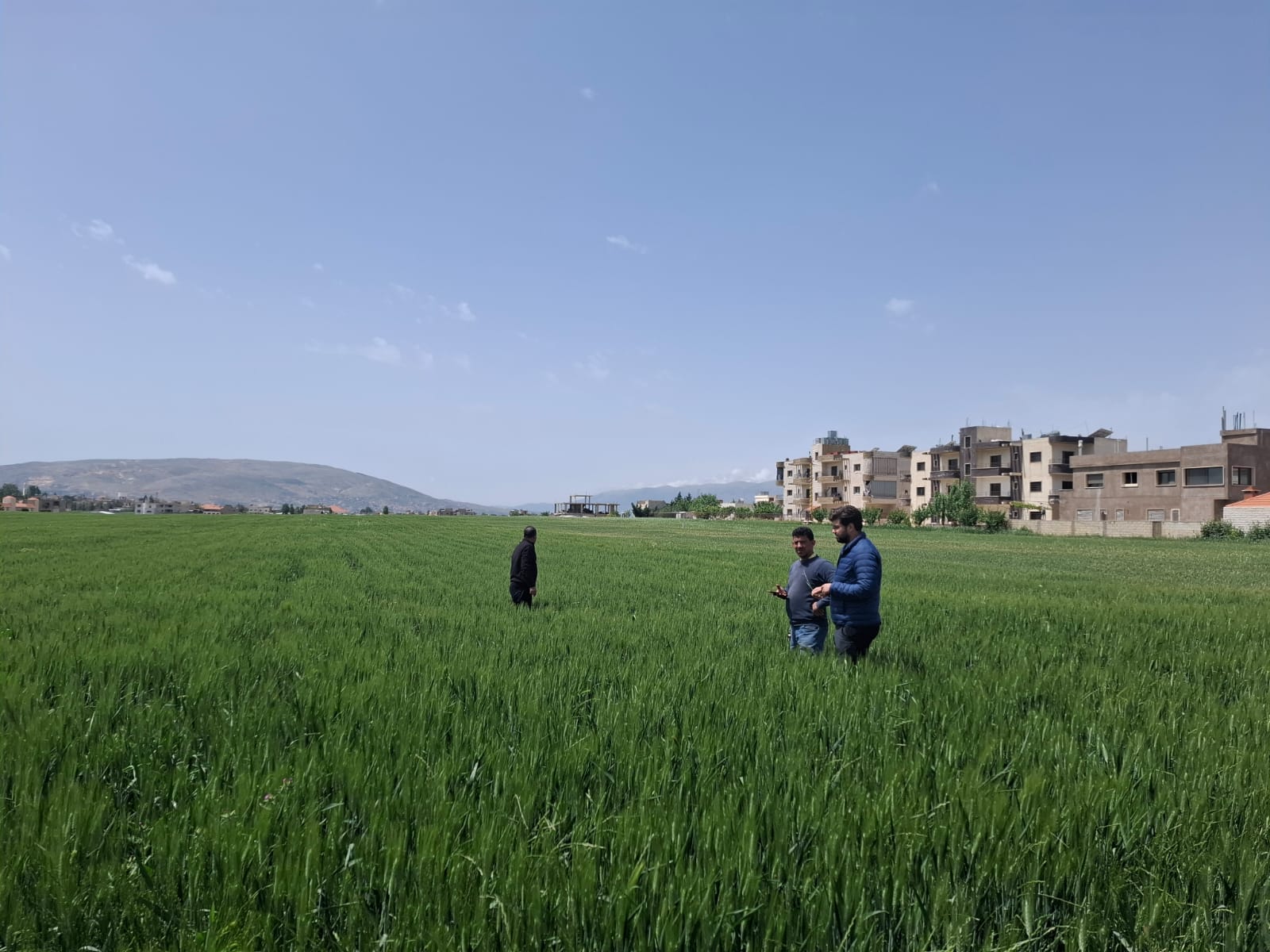
We train six regional ABC trainers and facilitators, who in turn coach 15 local agrifood clusters working across wheat–barley, legumes and greenhouse vegetable value chains. These clusters bring together farmers, processors, input suppliers, service providers, municipalities and other local enabling actors. Through cycles of planning, action and peer learning, they improve collaboration, production practices and their ability to navigate a challenging market. Across all regions, the shift is clear: farmers who once worked alone are now organizing, sharing resources, co-investing in inputs and machinery, and building direct, fairer relationships with buyers.
What’s changing on the ground?
Lower production costs and shared access to equipment
Farmers reduced costs by sharing machinery and accessing tools that were previously out of reach — from seed cleaners and harvesters to motor tillers, greenhouse covers and solar systems. Examples include:
• Shared harvesters and seed cleaners improving chickpea and lentil quality in West Bekaa.
• Motor tillers boosting efficiency in legumes clusters in Chouf and Aley.
• Solar irrigation systems and plastic covers strengthening productivity in greenhouse clusters.
Better access to inputs and more affordable production
Clusters negotiated collective purchasing agreements that lowered costs — including a 10–15% reduction in input expenses for legumes farmers in Aley. Wheat clusters benefited from coordinated delivery of fertilizers and seeds, improving production quality and boosting farmers’ confidence.
Stronger technical skills and improved agricultural practices
Farmers across all clusters adopted new practices following training on soil fertility, seed selection, pest management and post-harvest handling. Soil tests guided more precise fertilization, GAP training improved durum wheat quality, and tailored greenhouse recommendations improved water use, energy efficiency and crop performance.
Better communication and rising trust
Active WhatsApp groups now keep clusters connected — sharing technical advice, alerting each other to pests and coordinating collective work. More than 80% of members engage daily in Aley clusters. Wheat clusters strengthened coordination with processors and suppliers, while legumes farmers in Chouf and West Bekaa report renewed cohesion and motivation to collaborate.
Fairer market access through partnership-based agreements
Contract farming is emerging as a powerful tool for trust-building:
- In Mansoura, processors paid above-market prices for wheat that met agreed quality standards
- In Anjar and Bar Elias, farmers accessed improved wheat seed varieties through the contract farming agreement, which led to higher-quality grain and better yields
- Legumes farmers in Manara improved market readiness through better post-harvest quality and group branding
Growing formalization and farmer inclusion
Several clusters are preparing to register formal cooperatives as part of a collective confidence and long-term vision. In many clusters, 50–70% of farmers are now registered in the national Farmer Registry, opening the door to public services and development programs.
What it all adds up to
Across Bekaa, West Bekaa, Chouf and Aley, farmers are working together in new ways: planning collectively, sharing risks, lowering costs, improving quality and securing better market opportunities. Processors and suppliers are becoming trusted partners. Municipalities are supporting shared machinery. Farmer groups are stepping into leadership roles. And trained local coaches are guiding this transformation. The result is a more resilient agrifood system. One rooted in collaboration, transparency and the simple belief that farmers thrive when they stand together.


Together we can build things better
We believe in the transformative power of trust. Do you have a project in mind? Come and say hello. Tell us what's going well for you and what could be better. We'd love to connect and share how we can help.