

Location
Colombia, Bhutan, Sierra Leone
Timeline
2023 - 2027
Category
Agri-education, Agribusiness
Key theme(s)
Science-policy interface, Food system transformation
Partners
SLU, AGRINATURA, CIRAD, Instituto Superior de Agronomia, FAO
Funding


“Policy change has to be relevant in the eyes of the beneficiaries. There is a need to change how we decide what needs to change.”
The impact of this project
SASi-SPi brings evidence and stakeholders together to support stronger policy choices for more sustainable aquatic and agri-food systems.
3
Government commitments
90
Stakeholders engaged
6
Policy options co-created
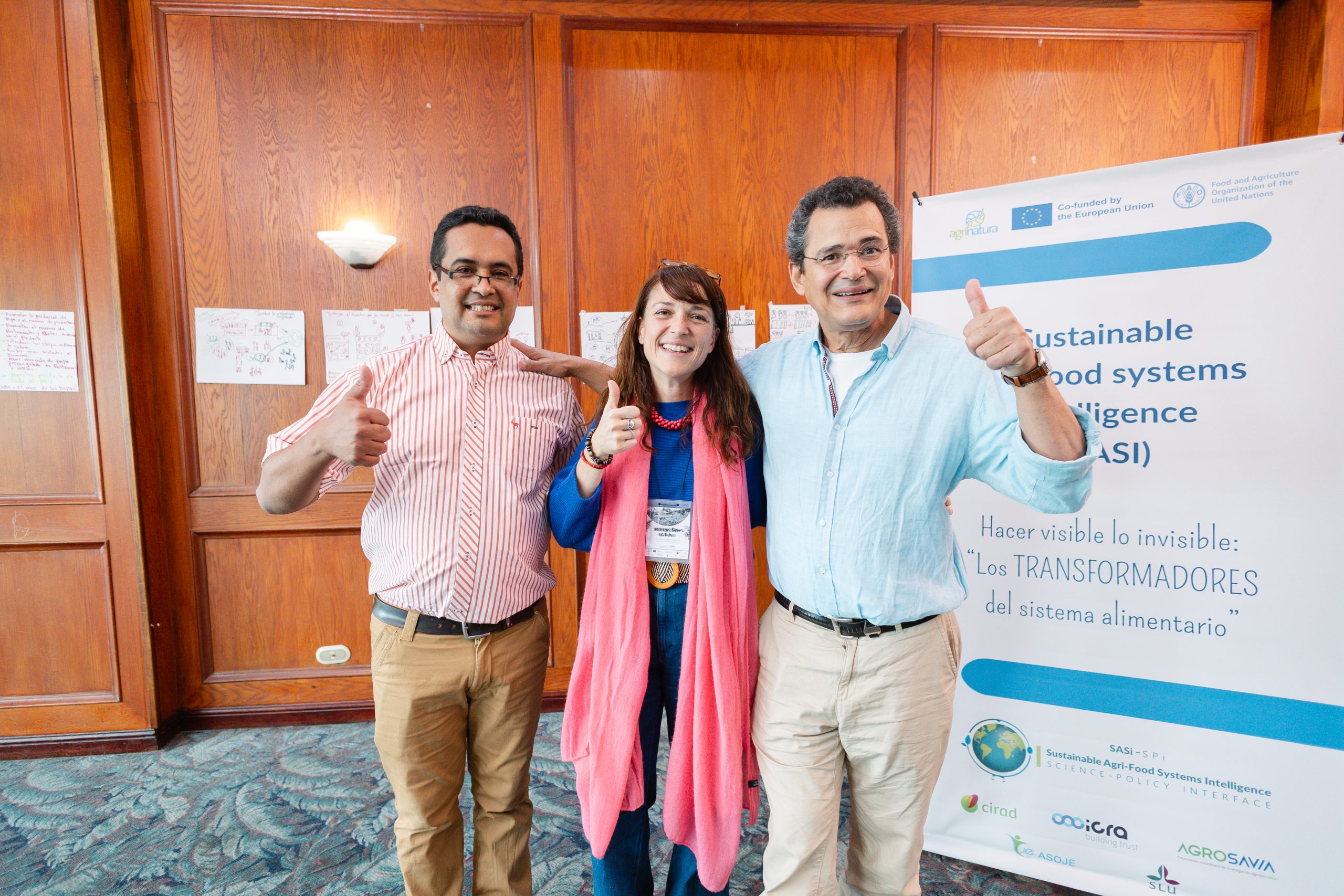
SASi-SPi: connecting science, policy, and people for food systems transformation
SASi-SPi is a five-year initiative supported by the European Commission through DG INTPA. The project supports transitions toward more sustainable aquatic and agri-food systems in Africa, Asia, Latin America, and the Caribbean.
The initiative works with partners and stakeholders in Colombia, Sierra Leone, and Bhutan to support food systems transformation through science-based evidence, participatory dialogue, and stronger links between research, policy, and practice.
How the project works
The project is organized around four workstreams:
Workstream 1: Producing intelligence for decision-makers
This workstream provides timely advice and science-based insights on global issues related to sustainable agriculture, fisheries, and aquaculture food systems.
Workstream 2: Thematic narratives and reference frameworks
This workstream develops knowledge on cross-cutting themes and uses Science-Policy Labs to test and support the use of policy recommendations.
Workstream 3: Transition support models in countries
This workstream supports Colombia, Sierra Leone, and Bhutan in developing practical models for national food systems transformation. The approach combines scientific evidence with participatory decision-making, helping stakeholders identify transition challenges and co-create solutions.
Workstream 4: Communication for development
This workstream focuses on strengthening the knowledge and capacity of public, private, and civil society actors so they can engage, lead, and advocate for more sustainable agri-food systems.
iCRA’s role
iCRA coordinates the Communication for Development workstream. Our role is to help create meaningful spaces for dialogue, learning, and participation, so that different actors can take part in shaping the transition toward more sustainable food systems. We support public, private, and civil society stakeholders to engage more actively in research and policy processes. This helps ensure that food systems transformation is not only informed by science, but also grounded in local realities, lived experience, and the voices of those directly involved.
Recent progress
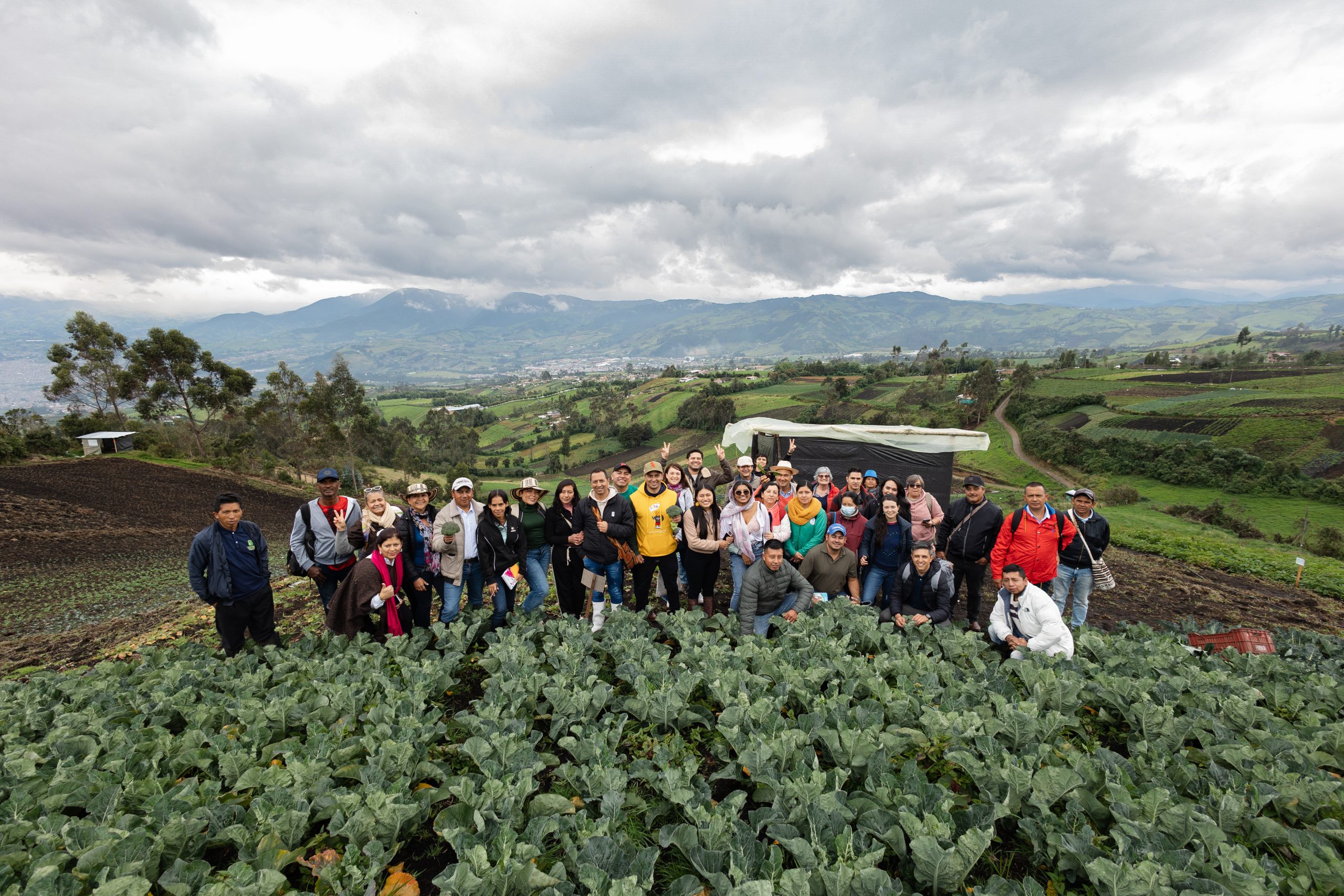
SASi-SPi is now moving from methodology into concrete country-level and thematic activities. In Colombia, participatory action research activities have brought researchers and territorial actors together around cocoa, agroecology, local governance, and food systems innovation. A March 2026 field visit to Palmira Sur highlighted strong coordination with local communities, while also showing the need to broaden community engagement and strengthen ownership of the process.
In Sierra Leone, a multi-stakeholder workshop in March 2026 presented findings and recommendations on how the country’s Feed Salone strategy can contribute more strongly to healthy diets. The workshop brought together government institutions, district actors, farmers’ organizations, private sector representatives, and development partners. It also helped generate government commitments, including a nationwide campaign to promote local food consumption, a revision of national food systems pathways, and stronger district-level food systems coordination.
Across the project, SASi-SPi continues to use participatory approaches to connect science, policy, and practice. The aim is to help stakeholders move from broad food systems ambitions toward concrete, locally relevant pathways for change.
Why it matters
Food systems transformation depends on more than evidence alone. It also requires trust, dialogue, coordination, and shared ownership. Through SASi-SPi, iCRA helps strengthen the spaces where different actors can meet, exchange knowledge, and shape solutions together. By supporting inclusive communication and participation, we contribute to food systems transitions that are more practical, more grounded, and more likely to last.


Together we can build things better
We believe in the transformative power of trust. Do you have a project in mind? Come and say hello. Tell us what's going well for you and what could be better. We'd love to connect and share how we can help.