

Location
Timeline
2023 - 2025
Category
Agri-education, Agribusiness
Key theme(s)
Green entrepreneurship, Green skills, Green economy, Youth employment
Partners
SNV Mali, Université de Ségou, APEJ, BSIC, ImpactHub, DoniLab, Baara Bulow


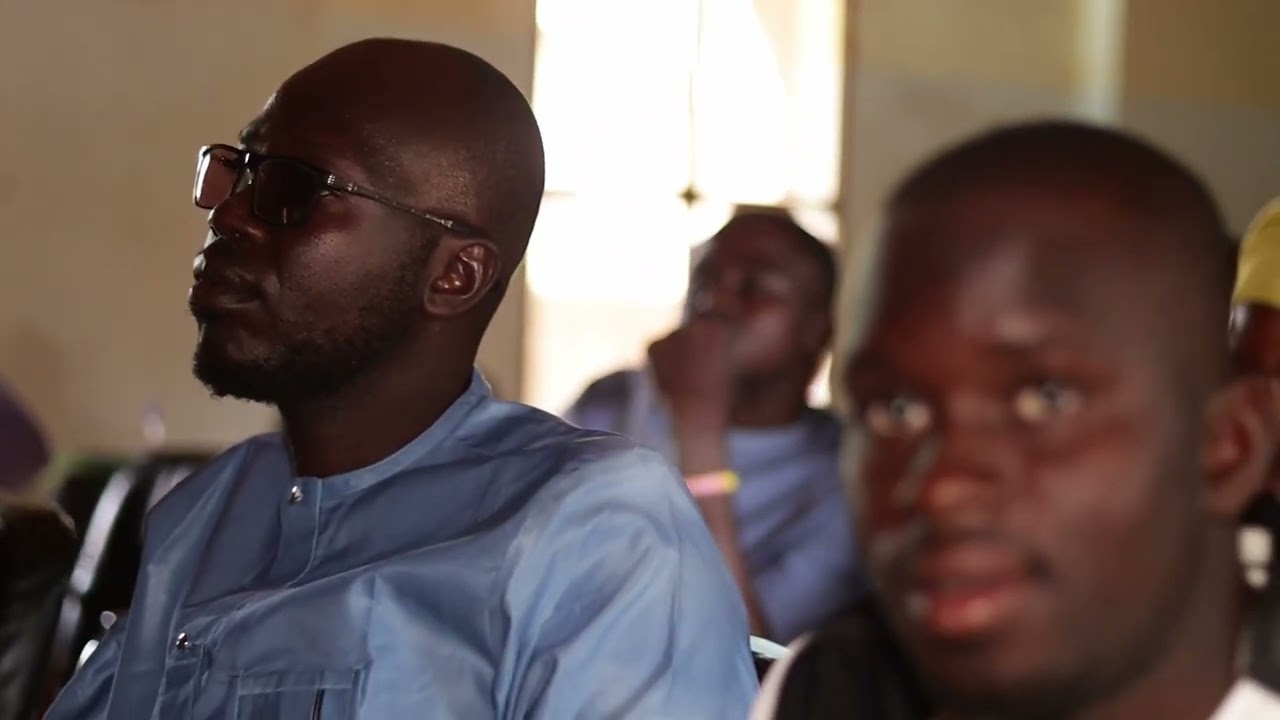
“At the end of the course, we can say that we are well equipped, as our trainers have covered some very relevant and coherent topics.”
The impact of this project
Go Green Mali helped young people turn green skills into income, businesses, and jobs, while strengthening local training systems for Mali’s green economy.
2400
Young people trained
1437
Jobs created in 2024
414
Greenpreneurs incubated
150
Green MSMEs financed
The project
Mali faces two closely linked challenges: climate change and youth unemployment. Many young people, especially young women, internally displaced people, return migrants, and young people outside education or work, face real barriers to building stable livelihoods.
Go Green Mali responded to this by supporting youth employment and entrepreneurship in the green economy. Funded by the Embassy of the Kingdom of the Netherlands in Mali and coordinated by SNV Mali, the project worked in Bamako, Sikasso, Ségou, and Mopti from March 2023 to June 2025.
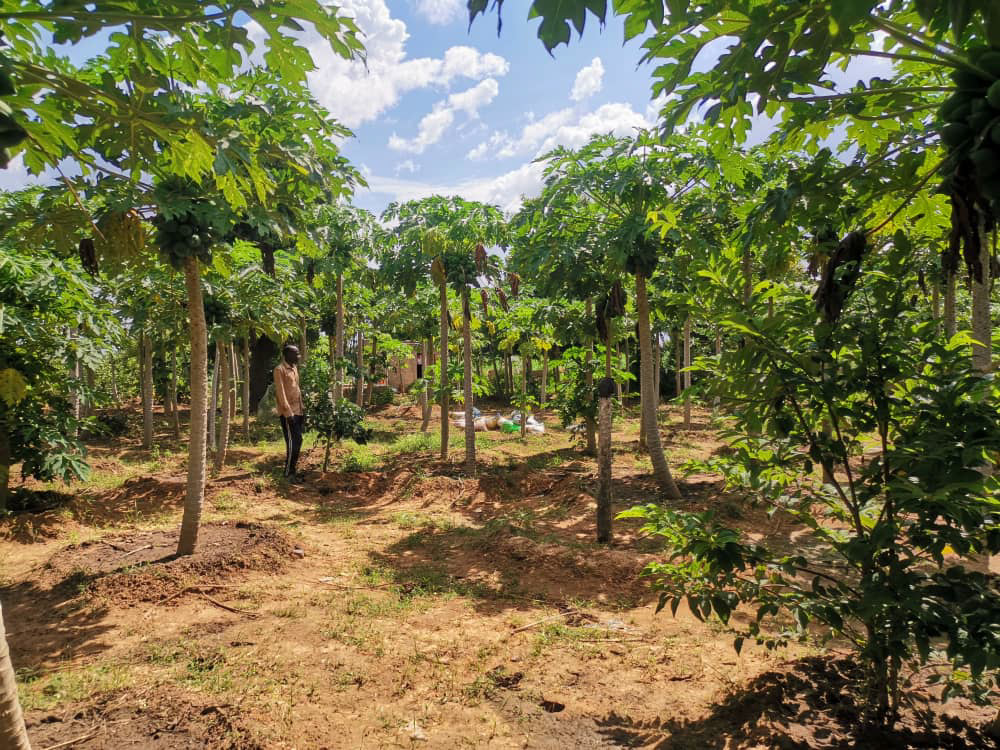
The green economy can create practical opportunities for young people in sectors such as agri-food, renewable energy, water, sanitation, forestry, recycling, and composting. But young people need more than ambition. They need relevant skills, coaching, access to finance, and stronger links with training institutions, businesses, and public actors.
iCRA’s role
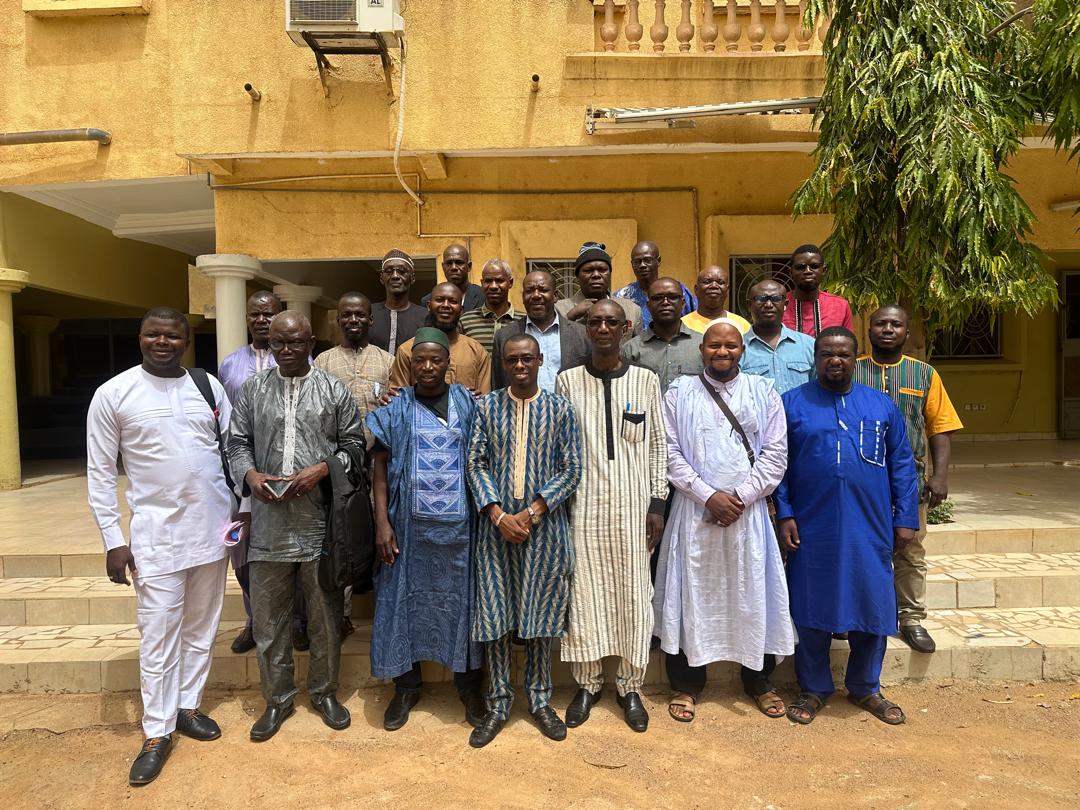
iCRA contributed by strengthening green skills development and helping training systems better respond to real opportunities in the green economy. Together with Malian partners, including the University of Ségou and vocational training centers, iCRA supported practical learning, entrepreneurship, and stronger links between training and market needs.
What changed
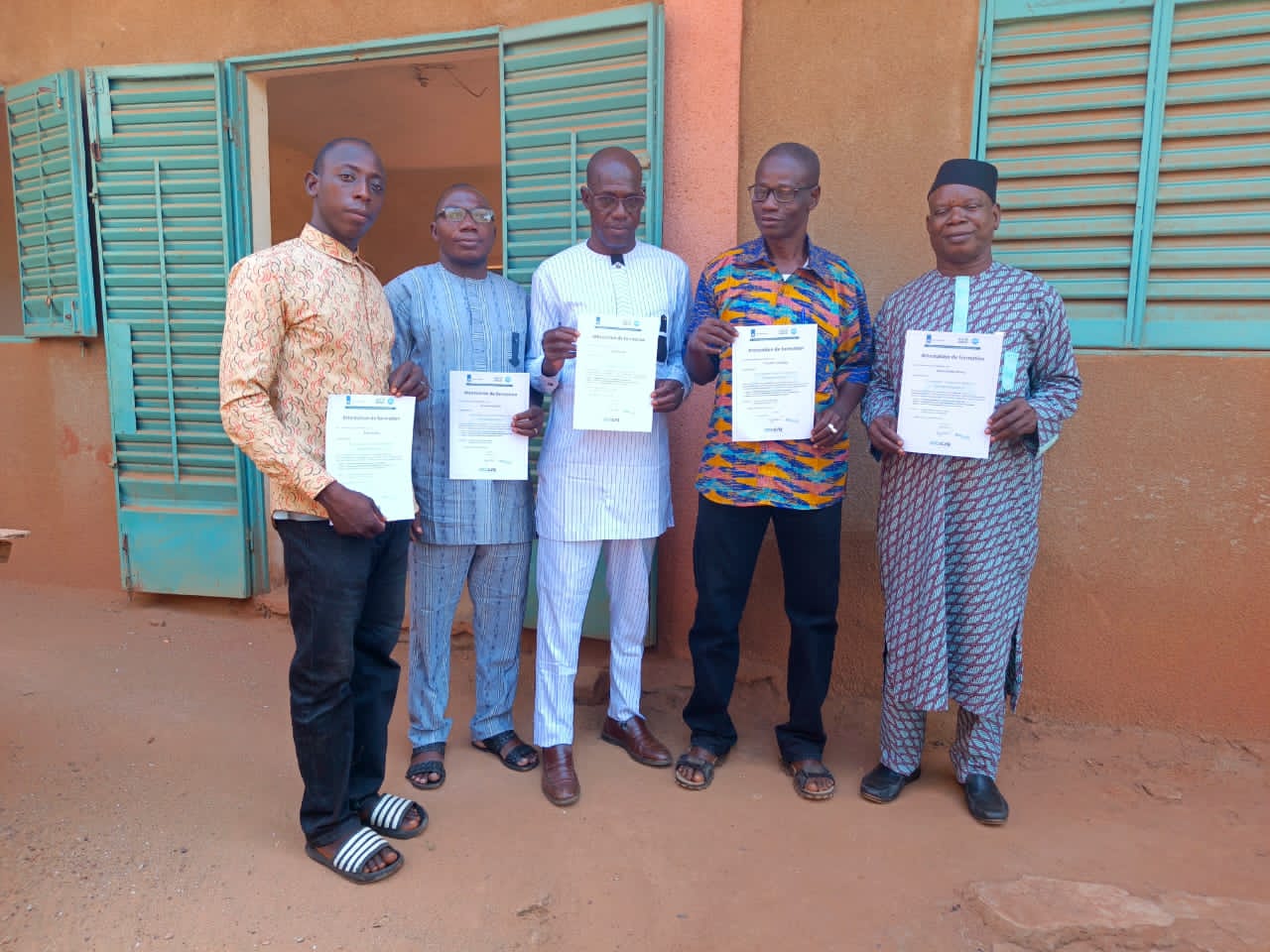
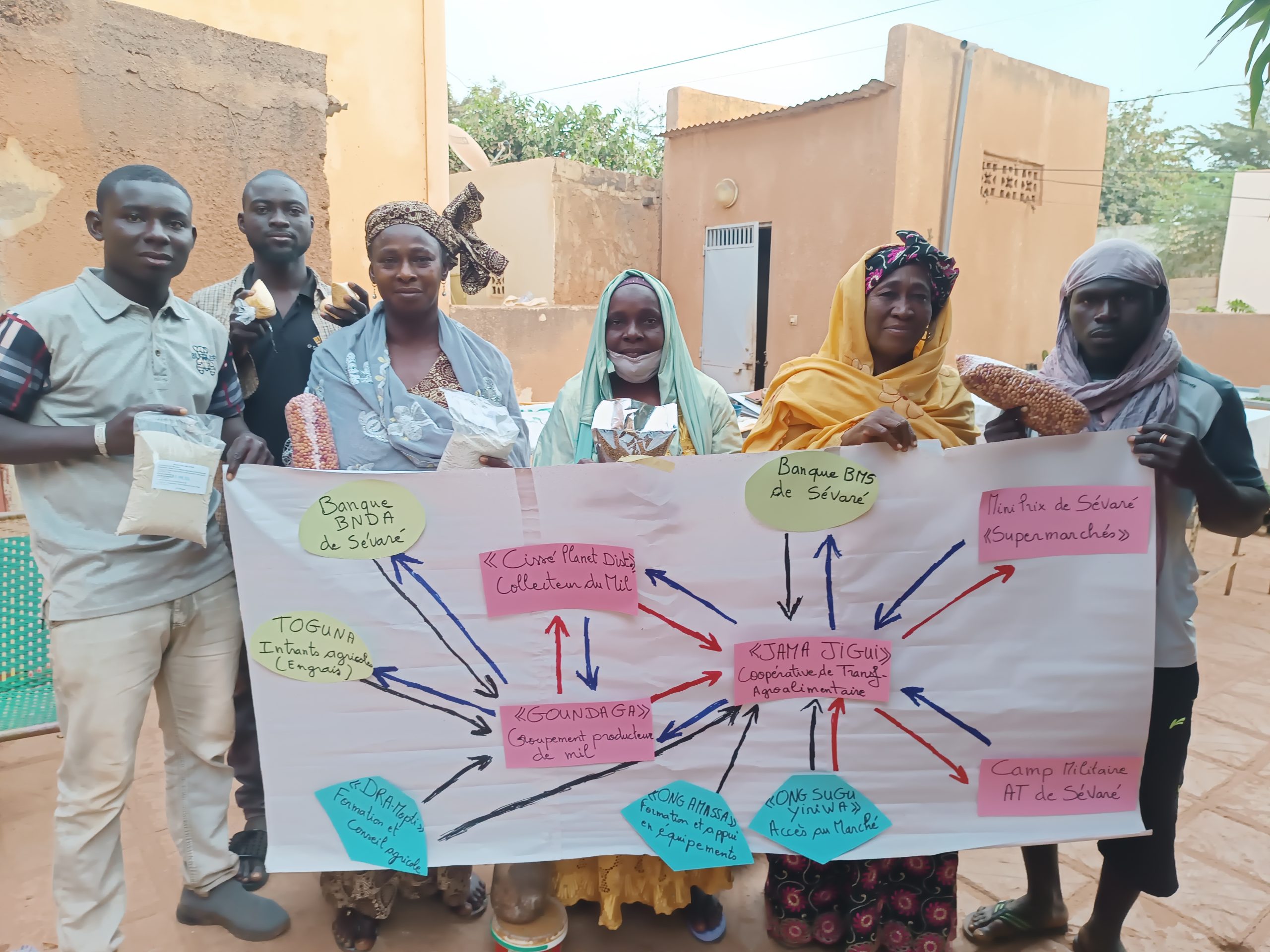
Go Green Mali helped young people gain practical skills, build confidence, and start or strengthen green businesses. Young entrepreneurs received incubation, financing, and coaching support. Training institutions were also supported to integrate green modules into their curricula. The project also helped young people become more visible as actors of change in their communities. Through the Green Youth Boards, young people raised awareness on climate change, access to land, and reforestation.
What we learned
The project shows that young people can help drive the green transition when support is practical, inclusive, and connected to real market opportunities. The project also showed that training alone is not enough. Young entrepreneurs need continued coaching, access to equipment, financing, and stronger links to markets.
For iCRA, Go Green Mali shows what becomes possible when green skills, youth entrepreneurship, and local partnerships come together: young people gain opportunities, communities gain solutions, and the green economy becomes more concrete.

Together we can build things better
We believe in the transformative power of trust. Do you have a project in mind? Come and say hello. Tell us what's going well for you and what could be better. We'd love to connect and share how we can help.